Now we come to the part which for some is the most enjoyable. The tasting of the wines.
Wines are often talked about in terms that can sometimes confuse, especially if you are new to tasting. We hope this blog will take away some of the mystique.
All of us can become expert in tasting if we follow some easy guidelines, known as The tasting Technique.
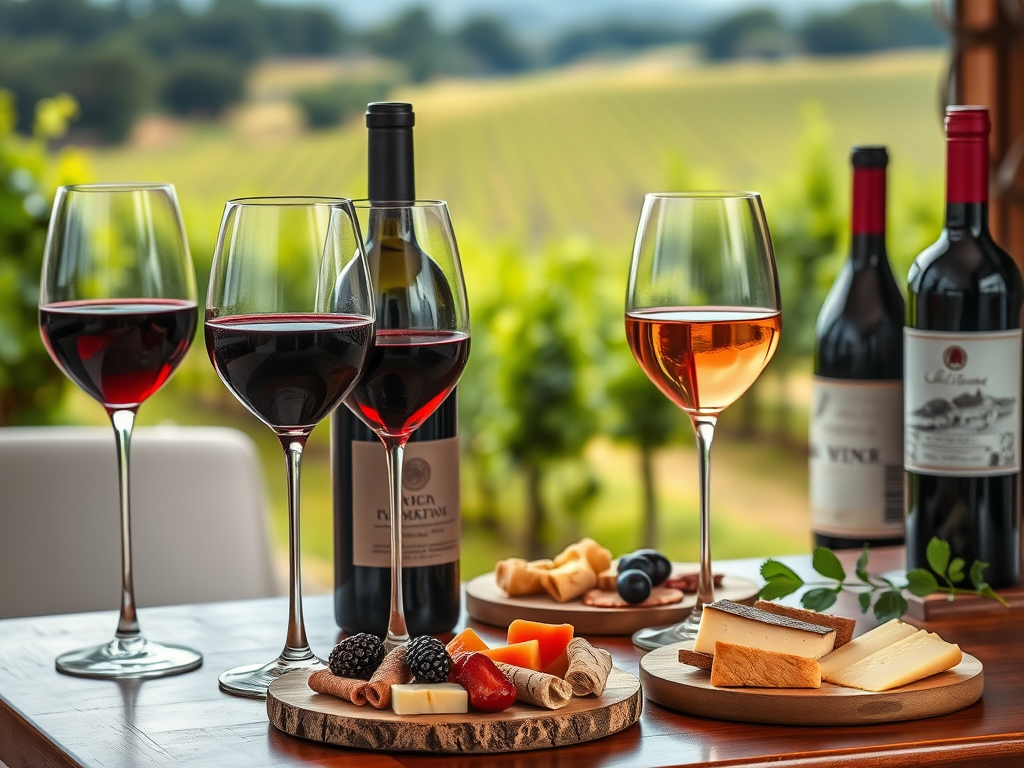
1. LOOK Pour the wine into the glass. Do not fill the glass, only pour out enough to be able to smell and taste. look at the wine. This is often done with best effect if you look at the wine over a sheet of white paper. Write done whether the wine is red, white or rose and you make like also to say whether the wine is golden yellow or pale red etc. Does the wine look clean or cloudy? Write it down
2. SMELL. Have a sniff at the wine, then swirl it around the glass, and sniff again. Can you smell a lot more? Doing this opens up different aromas (smells). The smell of the wine should tell you if it is clean or not. Write it down. And it will give you an idea of the character of the wine.
The aromas that wines give to you can spark the imagination when it comes to explaining what you have smelt.
Here are some examples:
If you can smell fruit aromas, it could be that you are tasting a certain grape variety. Green apple is often associated with a Chardonnay or Riesling, while blackcurrant could be you are tasting a Cabernet Sauvignon.
Floral Aromas: can also tell you if you are tasting a particular grape variety. Honeysuckle aroma could be that you are drinking a young Riesling wine.
If you can smell spice such as cloves or vanilla, this could be that the wine you are going to drink has been in contact with oak (maturing or fermenting).
Some red wines can give you hints of pepper especially with the Shiraz (Syrah) grape.
Herbaceous aromas, freshly cut grass for example can tell you that the wine is young, Try a NZ Sauvignon Blanc.
Vegetable aromas: mushrooms, leaf mould could indicate that the wines have been matured for a long time in the bottle.
And lastly we come to aroma that are not good.
Faulty aromas. These are easy to spot as they are often overpowering. Damp cardboard (musty), vinegary or nail varnish aromas. These aromas are more likely to tell you that the wine is not a good wine to drink.
Taste: Take a sip of the wine and hold the wine in your mouth. Try not to dribble. Suck in some air and allow the wine to fill your taste buds. This helps to release the flavours and aromas
Tasting the wine can tell you a lot. Is the wine sweet or dry. Is there a lot of flavour, is there tannin or acid etc.
Sweetness: Dry, medium or sweet
Flavour; fruity. Spicy, flowery, vegetal or herbaceous in character.
Body: Light, medium or full bodied.
Other things you have found: tannin, oak, acidity.
The 5th. Taste
Our predilection for umami – the only recently recognised (by western scientists) “fifth taste”, after salt, sweet, sour and bitter – is a fascinating piece in the jigsaw of our gastronomic evolution. Since studies confirmed a few years ago now, that our mouths contain taste receptors for this moreish savoury taste (the other four “basic tastes” had been widely accepted for, -over 1000 years ), so much in the history of recipes suddenly makes sense. Umami is why the Romans Liquamen, the fermented anchovy sauce, that they sloshed as liberally as we do ketchup today. It is key to the bone-warming joy of gravy made from good stock, meat juices and caramelised meat and veg. It is why Marmite is my mate.
Umami has been variously translated from Japanese as yummy deliciousness or a pleasant savoury taste .
A quintessential example of something umami-tasting, is a broth or a soup: Something that has been slow-cooked for a long time. Cooked beef, tomato and cheese for example form a ménage à trois made in heaven. And why ham and peas is a gastronomic no-brainer. And, oh dear, why it’s hard to stop eating Smoky Bacon Pringles.
 Priestly Palate